Revolut's Outage: Why Irish SMEs Need a Backup Payment Stack
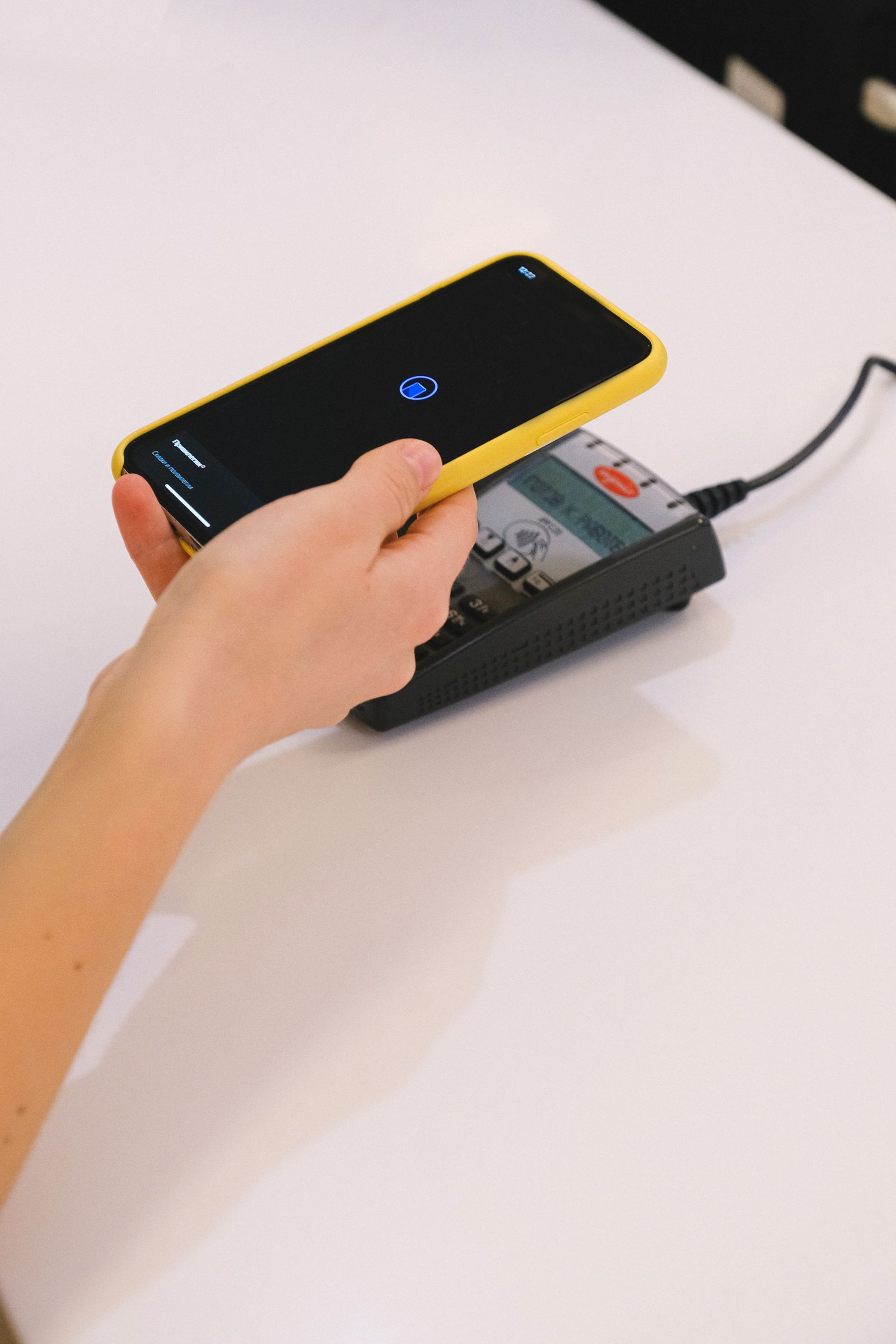
For a few hours in October 2026, a large share of Irish commerce tried to pay with an app that was not working. The Revolut service disruption trended at thousands of searches per hour, which tells you everything about how embedded the app has become in Irish daily life, and everything about the risk that creates.
What the outage actually proved
Not that Revolut is unreliable. Every large payment system has outages. The outage proved three things about the market:
- Dependence is total. Irish consumers reach for the same app instinctively. When it fails, transactions stop.
- Merchants feel it fastest. If your checkout offers one digital rail and it fails, you do not sell, and customers blame you, not the app.
- Redundancy was an afterthought for most businesses. The outage conversations in group chats were all versions of: do we have a backup?
The backup payment stack, in order
- Two payment methods at minimum. Cards plus one digital wallet, with the second provider configured and tested, not just planned.
- Tested fallbacks. A backup that has never been switched on is a hope, not a fallback. Run a drill quarterly, the same discipline as backups.
- Communication plan. When payments fail, what do you tell customers, and where? The businesses that handled the outage well said so immediately.
The full setup checklist is in our online payments guide.
The wider lesson
The outage is one data point in a bigger pattern: Irish fintech is booming, JP Morgan backed a new payments platform in Ireland in the same month, and Revolut Ventures launches in 2027, per Silicon Republic. More options are coming, which is exactly why single-provider dependence makes less sense every quarter. The fintech guide covers the landscape.
Do this today
Open your payment settings, count your rails, and ask the one question that matters: if my primary provider goes down for an afternoon, do I still sell? If the answer is no, fix it this quarter, before the next outage does the demo for you.
Read next: Booking and payments on Irish websites